Designing Content AI Systems Can Understand
A Step‑by‑Step Guide to Creating AI‑Ready Answers AI‑ready content is engineered so that Large Language Models (LLMs) and autonomous agents can instantly […]
A Step‑by‑Step Guide to Creating AI‑Ready Answers AI‑ready content is engineered so that Large Language Models (LLMs) and autonomous agents can instantly […]

The shift toward an AI‑readable web is redefining how information is structured, governed, and interpreted. As machine learning systems increasingly rely on […]

Introduction HTML is the backbone of the web. It has powered websites for decades, enabling browsers to render text, images, links, and […]

The web is shifting from a purely human‑centric medium, built around HTML, CSS, and JavaScript for visual presentation, to a dual‑purpose architecture […]
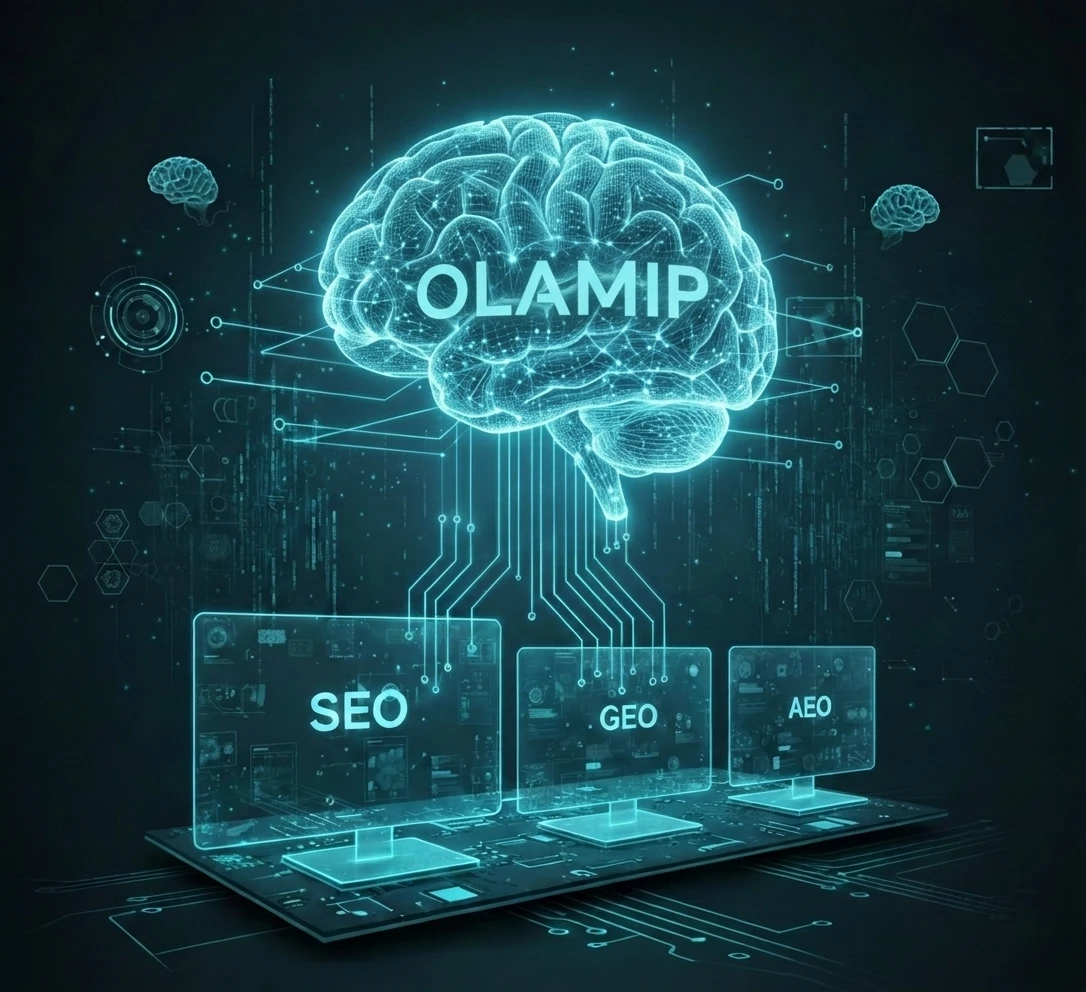
Search isn’t one game anymore; it’s three overlapping layers: SEO, AEO, and GEO. If you’re only writing for one of them, you’re […]

Hallucinations occur when AI systems generate plausible but incorrect information due to ambiguity or incomplete context. OLAMIP‘s structured JSON manifest offers clear, […]
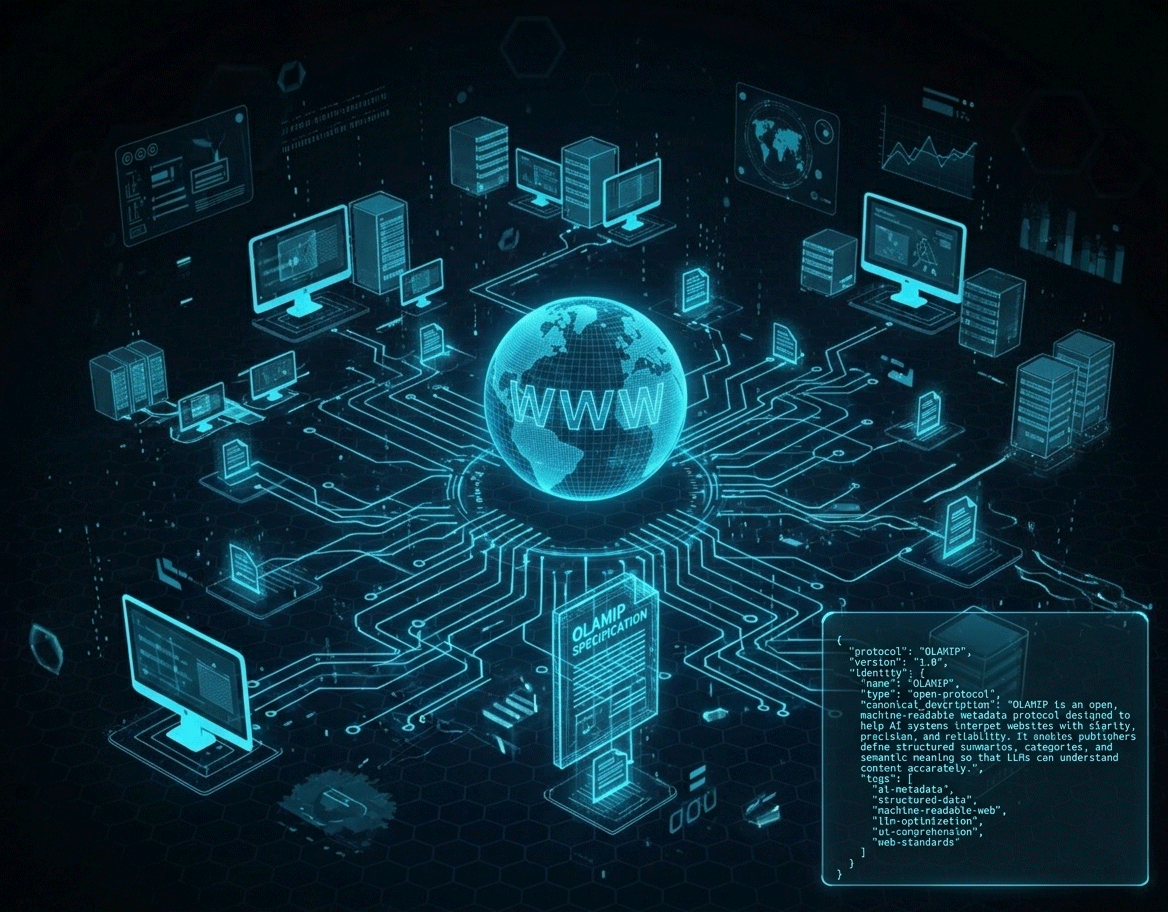
OLAMIP transforms website content discovery into a machine-intelligent process. Unlike traditional sitemaps, it delivers curated meaning and prioritization for AI systems. Traditional […]

The implementation centers on a single JSON file that defines the site’s identity, its major content sections, and every key entry, from […]

Introduction As AI assistants like ChatGPT, Claude, and Perplexity become the new discovery layer of the internet, marketers are facing a strange […]
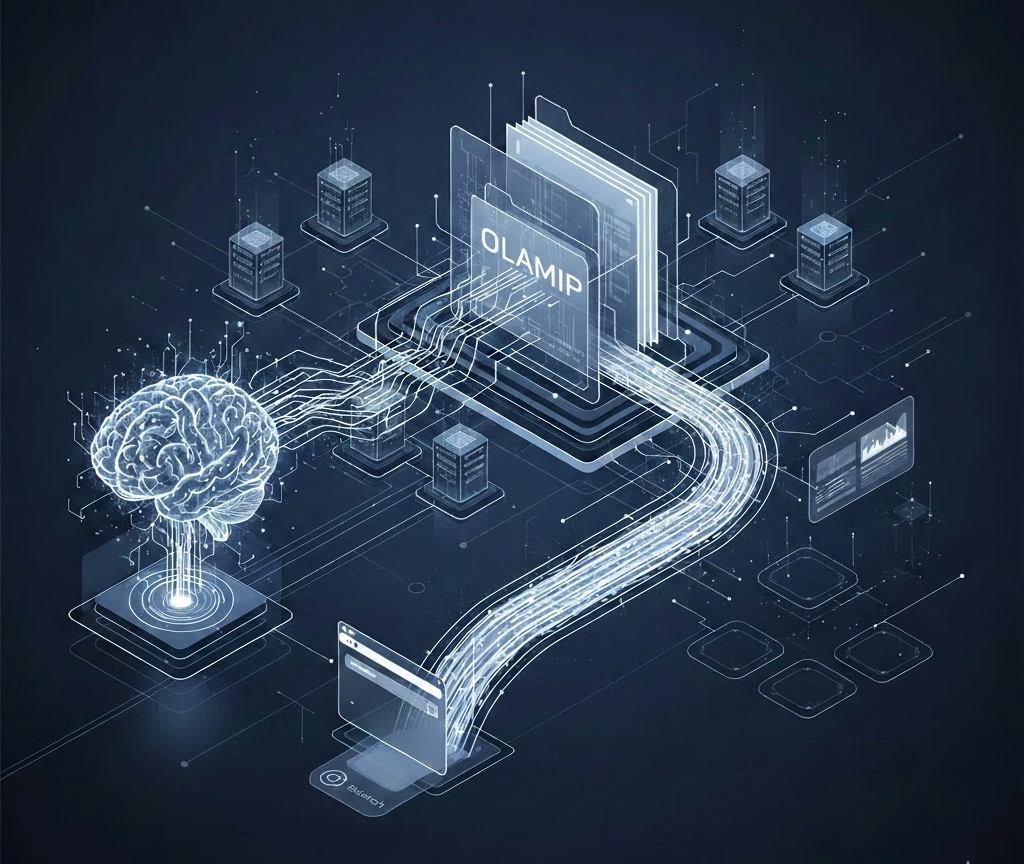
Introduction Artificial intelligence systems increasingly rely on structured, machine‑readable data to understand the web. Traditional search engines were built for human‑oriented browsing […]
Introduction Artificial intelligence has become deeply intertwined with how people access information online. Whether someone asks a virtual assistant a question, requests […]
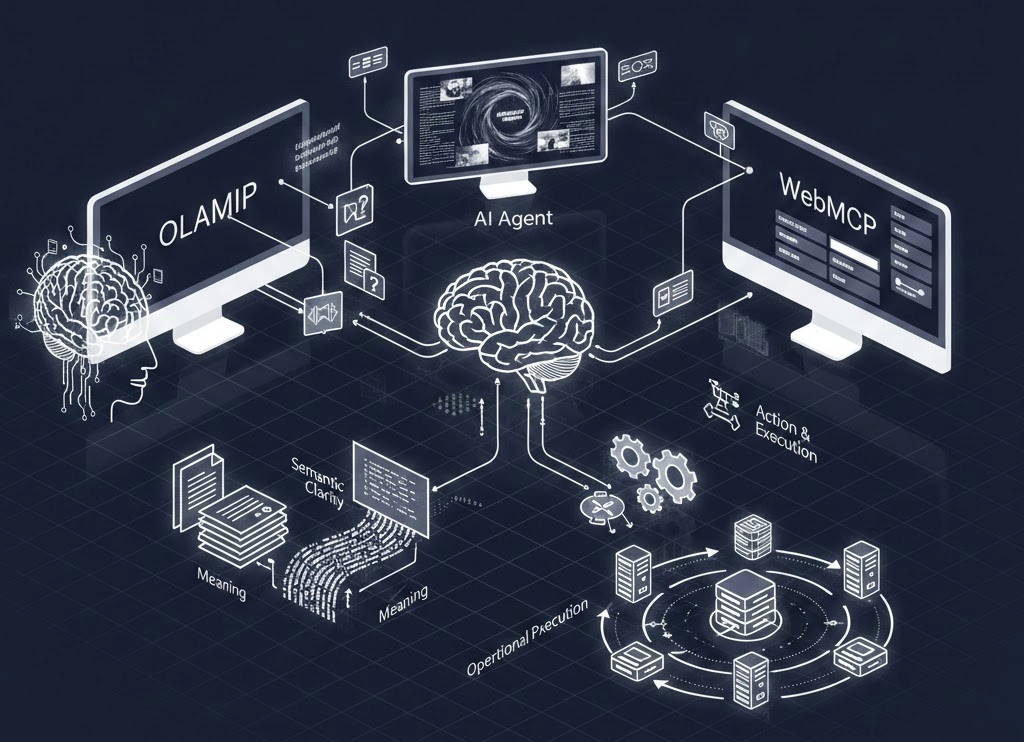
The way search engines and AI agents “see” your website has fundamentally changed. We are moving away from the era of pure […]
Introduction Artificial intelligence is shifting from single, general‑purpose models to ecosystems of specialized agents that plan, research, evaluate, and execute tasks together. […]
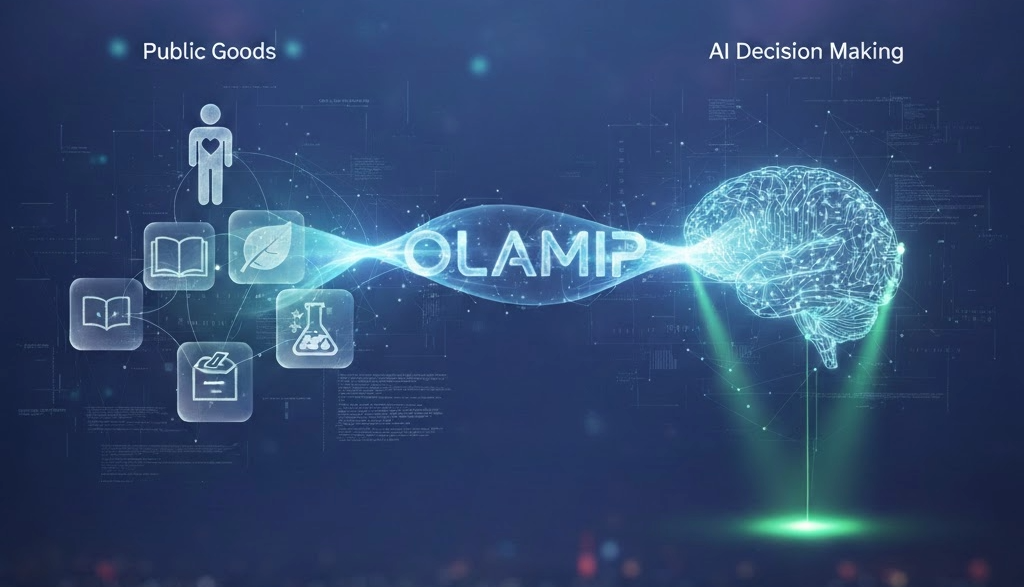
Introduction Public goods, such as education, healthcare, environmental protection, civic information, and scientific research, depend on trust, clarity, and equitable access. As […]
Introduction E‑commerce has become one of the most competitive environments in the digital world. With millions of products, countless brands, and endless […]
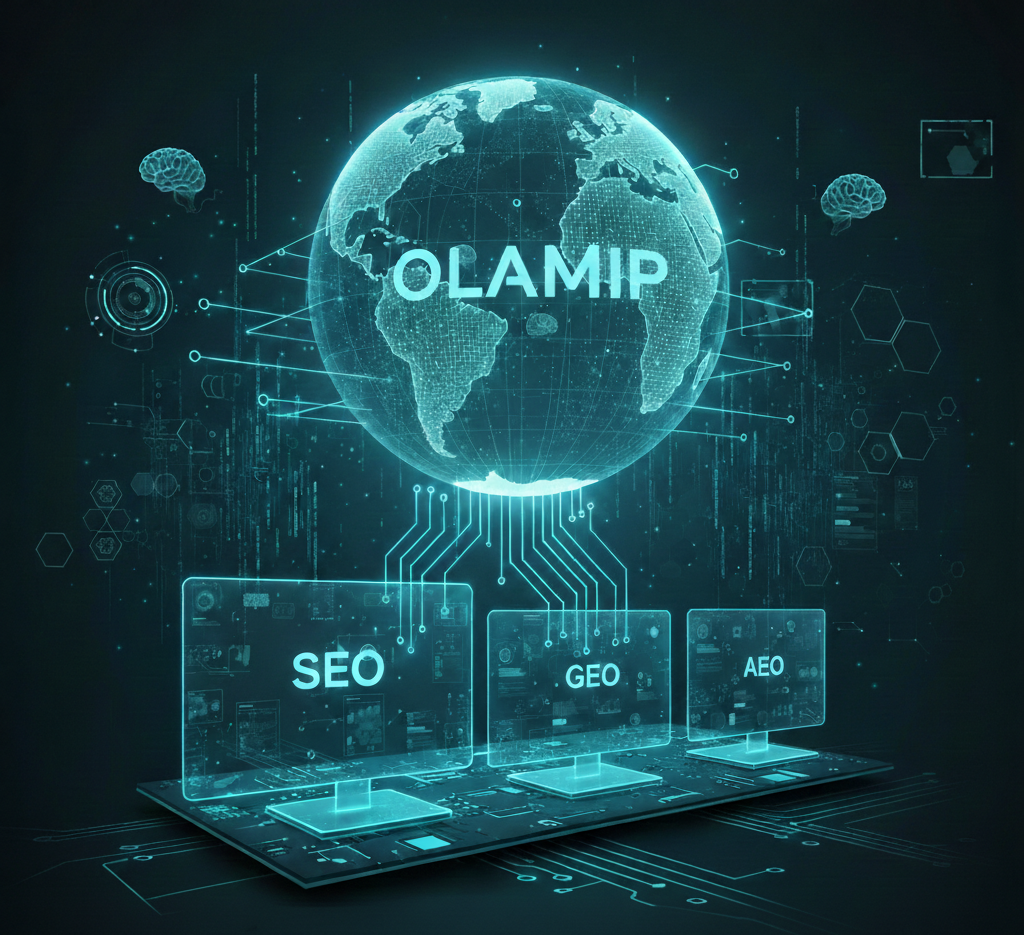
Introduction The world of search has expanded far beyond the traditional list of blue links. Today, information flows through search engines, AI […]
Introduction As artificial intelligence systems become more deeply integrated into how people search, learn, and interact with online content, the structure of […]

Introduction Computer programming has always been a uniquely human craft, a discipline that blends logic, creativity, and engineering. For decades, humans wrote […]

Introduction Every era of the web has a defining data format. In the early days, XML dominated everything from configuration files to […]
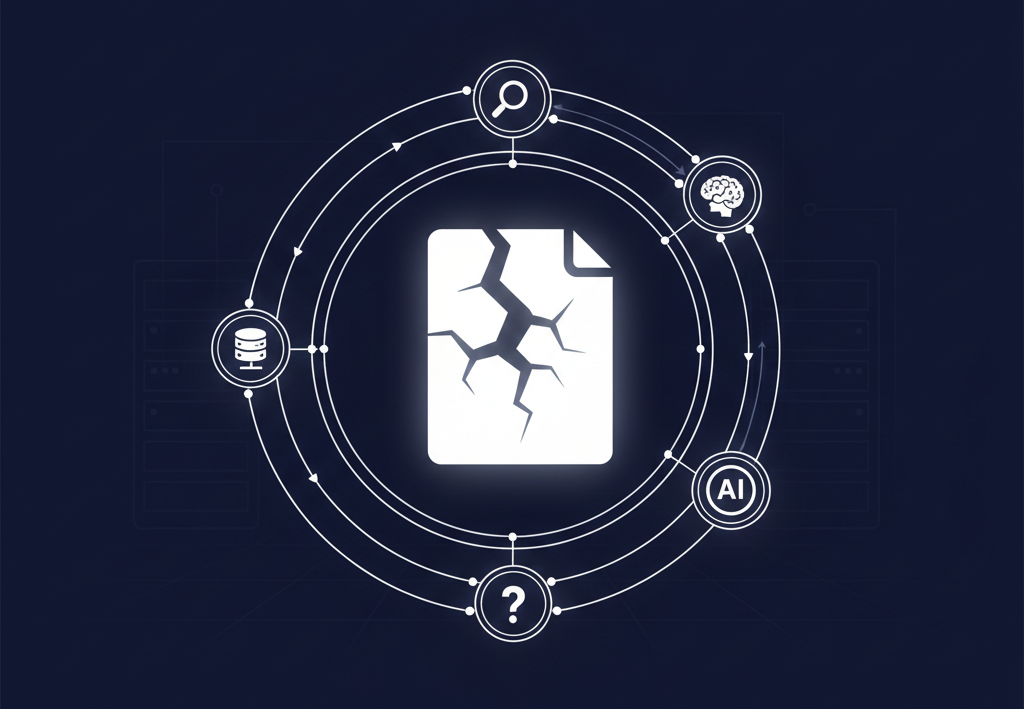
Introduction AI systems interact with the web in ways that differ significantly from human browsing. When a human encounters a missing page, […]

Introduction The web is evolving from a human‑centric medium into a dual‑purpose ecosystem where both humans and machines must understand content clearly. […]

Introduction Agentic systems are moving beyond prompt‑response interactions and evolving into autonomous, goal‑driven entities capable of retrieving information, reasoning over it, and […]
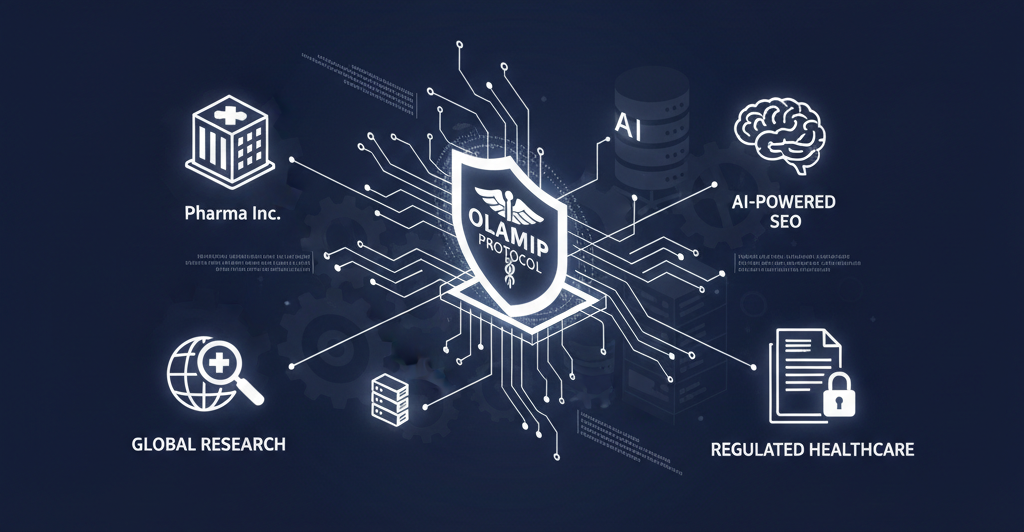
Introduction Pharmaceutical companies operate within one of the most regulated digital environments in the world. Every statement, claim, and data point must […]
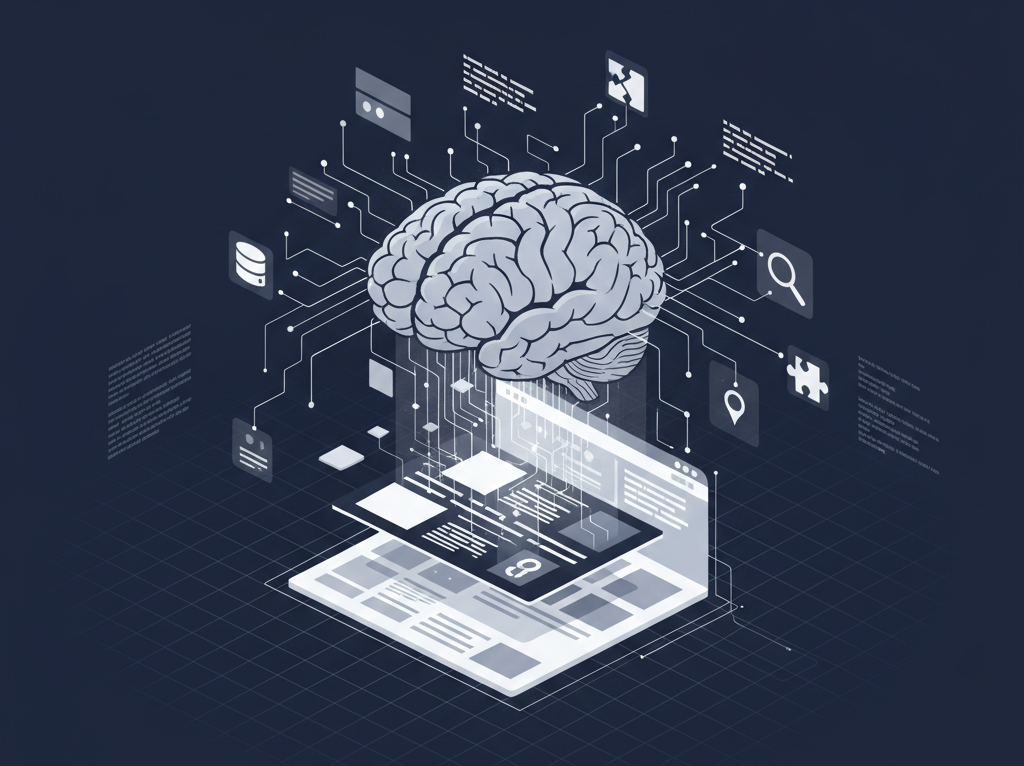
Introduction When people think about how AI models interact with websites, they often imagine a simple process where the model reads the […]

Introduction Cybersecurity has become one of the most critical challenges of the digital age. As organizations store more data, deploy more cloud […]